Selecting the right professional landscape designer can be a pivotal step in transforming your outdoor space into a beautiful and functional area. Whether you are considering xeriscaping for drought resistance or exploring other sustainable landscaping solutions, understanding the intricacies of hiring a skilled expert is crucial. This guide will walk you through the essential considerations, questions to ask, and what to expect during the process.
Understanding Landscape Design
Landscape design encompasses more than just planting flowers or arranging shrubs. It involves creating an aesthetically pleasing and functional outdoor environment that considers factors such as climate, soil type, topography, and human activity. A professional landscape designer must blend artistry with technical knowledge to achieve landscapes that thrive sustainably.
In recent years, xeriscaping has gained popularity as an environmentally friendly approach to landscaping. This method focuses on creating beautiful gardens and yards that require minimal irrigation by utilizing drought-resistant plants and efficient design techniques. If you live in an arid region or want to reduce water consumption, hiring a designer https://springfieldlandscapingservices.com/contact/ experienced in xeriscape landscaping can yield significant benefits.
Benefits of Hiring a Professional Landscape Designer
Engaging a professional landscape designer offers several advantages over attempting a DIY project. First, their expertise can save you time and effort. Designing a landscape requires knowledge of horticulture, architecture, and local ecology—an intricate blend of skills not easily acquired without experience.
A professional also brings access to resources that may not be available to the general public. They have connections with local nurseries for sourcing plants suitable for your specific conditions or access to advanced tools for executing complex designs. Furthermore, licensed landscape contractors understand local laws regarding permits and regulations related to construction and landscaping.
Additionally, working with an expert can enhance the overall value of your property. Well-designed outdoor spaces increase curb appeal and can significantly impact future resale value.
Key Considerations Before You Hire
Before diving into interviews with potential designers, it's essential to clarify your own vision and requirements. Consider these points:
Budget: Establishing a clear budget helps narrow down options from the start. Style: Reflect on the aesthetic you desire—formal gardens versus casual landscapes can lead you in different directions. Functionality: Determine how you plan to use your outdoor space. Will it be primarily for relaxation, entertaining guests, or gardening? Maintenance: Consider how much upkeep you're willing to invest in after installation. Sustainability Goals: If xeriscaping is part of your plan, ensure that any designer you consider has relevant experience.Finding Your Designer
When searching for a landscape designer who meets your needs, start by seeking referrals from friends or family members who have recently completed projects similar to yours. Online platforms like Houzz or local directories can provide additional insights into professionals within your area.
Look specifically for designers who specialize in xeriscape services if that aligns with your goals. Not all designers have experience with drought-resistant plants or sustainable practices; ensure they understand local climates and plant selections suited for xeriscape design.
Questions To Ask Potential Designers
When you've compiled a list of candidates, prepare questions that will help gauge their fit for your project:
- What is your design philosophy? Can you provide examples of previous work similar to my project? How do you approach sustainability in your designs? What is included in your services? Will I need additional contractors? How do you manage budgets and timelines?
A knowledgeable designer should be able to articulate their process clearly while demonstrating creativity tailored to your preferences.
Evaluating Portfolios
Once you've narrowed down potential candidates based on interviews and initial discussions, reviewing their portfolios is vital in making an informed decision. Look for diversity in style; this suggests versatility in adapting designs based on client needs.
Pay close attention not only to finished projects but also initial concept sketches if available—these reveal how well the designer communicates ideas visually before implementation begins.
Client Testimonials
Client testimonials provide valuable insights into how past clients perceive their experiences working with the designer. Look beyond star ratings; read actual reviews where clients share specific details about communication styles, satisfaction levels with finished work, and follow-up support offered post-project completion.
The Design Process Unfolds
After selecting a professional landscape designer whose vision aligns with yours, expect several stages during the design process:
Initial Consultation: This phase typically involves discussing needs, expectations, budget constraints along with site assessments.
Conceptual Designs: Once initial discussions conclude successfully, designers create conceptual layouts showcasing proposed features such as pathways or plant beds tailored specifically for your space.
Revisions & Final Plans: Feedback cycles occur following presentations where revisions may happen based on input received from clients until agreement on final plans occurs.
Execution Phase: Involves collaboration among various contractors necessary for installation including electricians if lighting features are involved.
Post-Installation Follow-Up: A responsible landscape designer will touch base after project completion ensuring plantings adapt well while answering any maintenance queries clients might have moving forward.
Understanding Xeriscaping
If you're leaning towards xeriscape landscaping specifically due its water efficiency benefits here's what sets it apart:
Xeriscaping goes beyond mere drought-tolerant plant selection; it incorporates key principles such as soil amendment techniques which improve moisture retention alongside strategic placement of hardscapes like patios designed around existing vegetation reducing total area needing irrigation systems installed later down line as residential xeriscaping gardens mature over time helping minimize resource consumption overall throughout seasons ahead!
Essential Elements of Xeriscape Design
To create an effective xeriscape garden consider these five elements integrated into design:
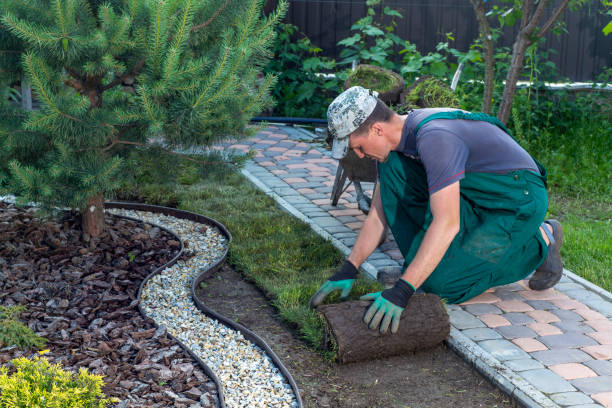
1) Appropriate Plant Selection – Choose native plants adapted naturally thriving within regional conditions typically needing less water once established.
2) Soil Improvements – Enhance soil quality through organic amendments ensuring healthy root development leading increased resilience against environmental stressors encountered over time (droughts etc.).
3) Efficient Irrigation – Implement smart watering systems allowing efficient use minimizing waste optimizing moisture delivery directly targeting root zones promoting healthier growth patterns without excess runoff occurring nearby areas requiring constant attention later down line.
4) Mulching Techniques – Using mulch conserves soil moisture while suppressing weeds thus reducing competition amongst desired species thriving alongside each other harmoniously enhancing aesthetic appeal too!
5) Hardscape Integration – Introduce stone paths decorative gravel features which contribute texture visual interest supporting overall beauty while functioning practically during rainfall events preventing erosion issues developing long term damaging surfaces beneath vulnerable areas exposed regularly otherwise!
By focusing on these aspects within designs created by experienced professionals you'll witness remarkable transformations taking place transforming previously overlooked corners homes into breathtaking environments everyone admires when they visit whether neighbors passing by walking dogs weekend gatherings held outdoors celebrating life together under stars surrounded beauty nature brings us daily reminding us cherish moments shared outdoors every season year-round alike!
Final Thoughts
Choosing the right professional landscape designer involves careful consideration at multiple levels—from assessing individual priorities surrounding aesthetics utility budgets determining best fit among options available locally through assessing capabilities backgrounds portfolios past experiences gathered along way ensuring smooth transitions occurring throughout entire process ultimately culminating incredible results achieved together collaboratively transforming visions reality beautifully striking balance harmony brought forth therein!